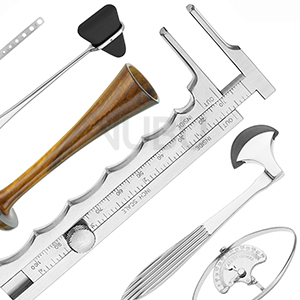


In this category you will find medical diagnostic instruments for patient examination, functional diagnostics and primary assessment. The instruments are used in general practice, specialist clinics, emergency care and nursing facilities to enable fast and reproducible evaluation of patient condition.
All instruments are designed for routine medical use, easy cleaning and long service life.
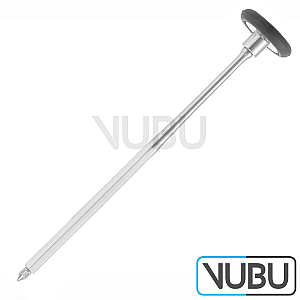
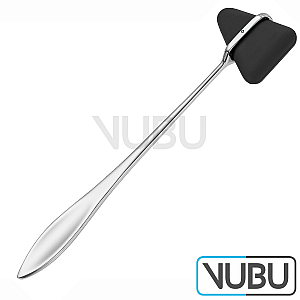
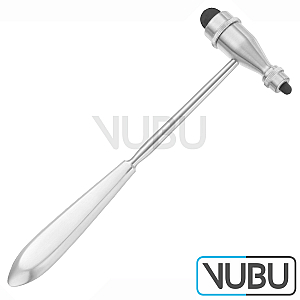
Neurological diagnostic instruments are used to evaluate reflexes, sensitivity and muscle strength as part of the physical examination.
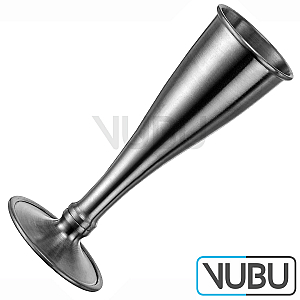
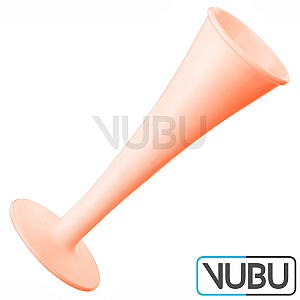
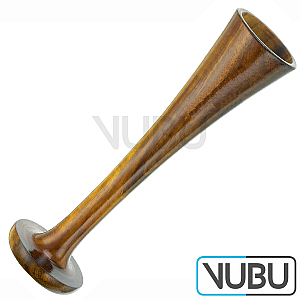
Acoustic and pressure-based examinations are used to assess heart, lung and circulatory function.
Visual examination is performed through direct inspection of body cavities and openings.
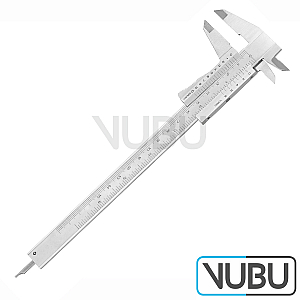
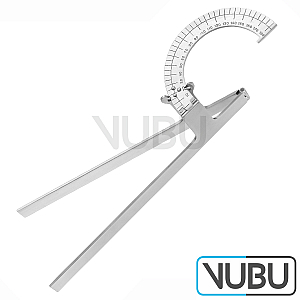
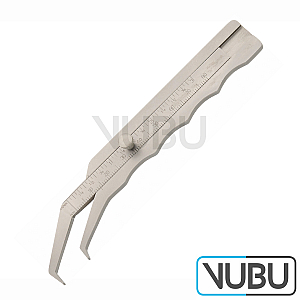
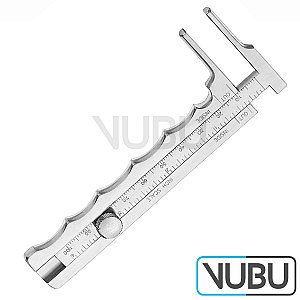
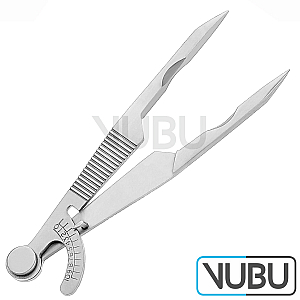
Precision measuring instruments allow accurate measurement of structures in the sub-millimeter range.
The diagnostic instruments are designed for long-term clinical use:
At VUBU-MEDICAL you receive tested medical diagnostic instruments for everyday use in practices and clinics. The assortment follows standard clinical examination procedures and enables complete basic diagnostics with durable instruments.
Diagnostics in the medical and psychotherapy professions as well as in the health professions or psychology is the exact assignment of findings - diagnostic signs or symptoms - to a concept of illness or symptoms in the sense of a syndrome. The established syndrome, together with the suspected cause and origin of the disease, make the diagnosis. The diagnosis is the classification of phenomena and their interpretation, such as those of “health” or “being sick”. The methods of diagnosis (e.g. anamnesis, physical examination, application of imaging methods such as X-ray / MRI or analysis with laboratory values of blood and other body fluids) are summarized with the term diagnostics. The diagnostic procedure always strives for a diagnosis that can be made if the constellation of the collected anamnestic information and / or findings is specific to a clinical picture. If the findings are not sufficient for this, further medical examinations are usually necessary to confirm the diagnosis. Some diseases are only characterized by non-specific symptoms. In these cases, the number of possible diagnoses is continually restricted until there is a sufficient basis for deciding on a specific exclusion diagnosis or at least a specific therapeutic procedure.


All instruments are certified according to: