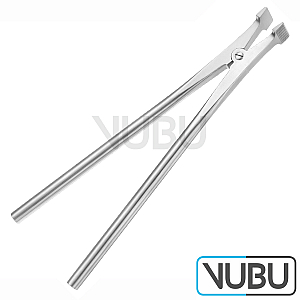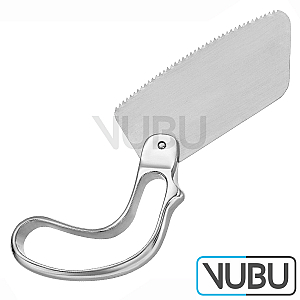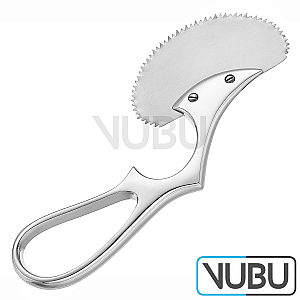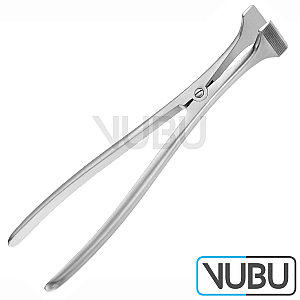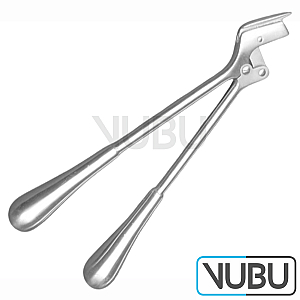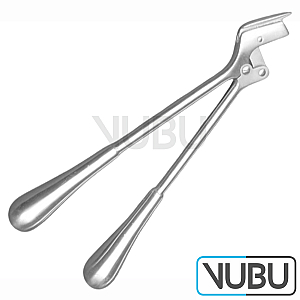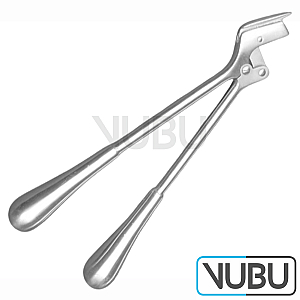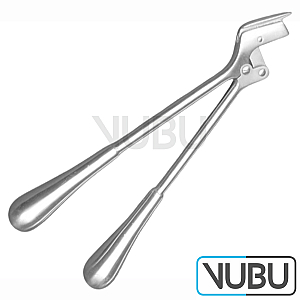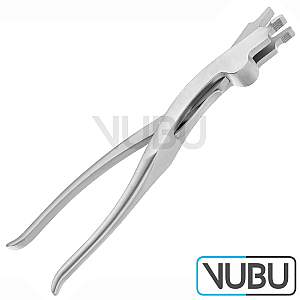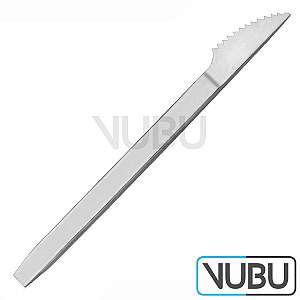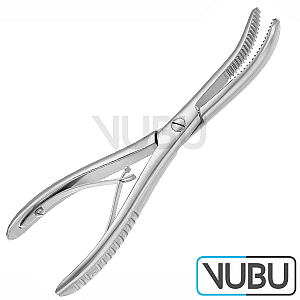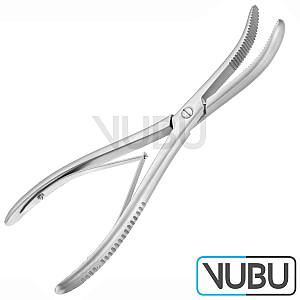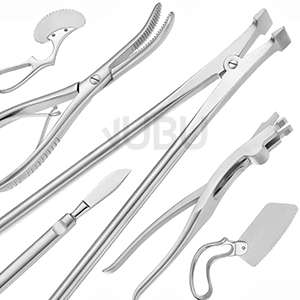


For the safe and gentle removal of a stable plaster cast, we recommend using our high-quality plaster saw. These specially designed tools allow for precise cutting of hard plaster materials without causing unnecessary strain on the patient.
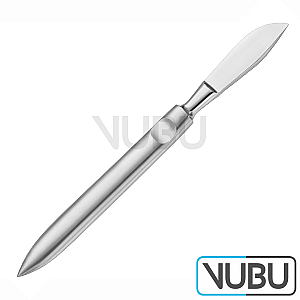
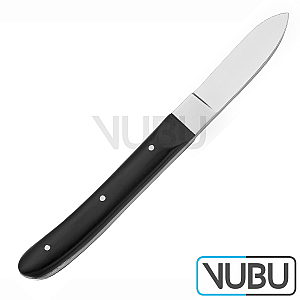
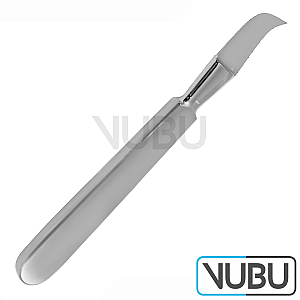
Our plaster knife offers a precise alternative or complement. This specialized tool is ideally suited for the targeted loosening, adjustment, or partial opening of plaster casts. With its sharp and stable blade, it allows for finely controlled cuts, thus increasing patient safety and comfort during the procedure.
The precise workmanship and ergonomic design of our plaster saws and plaster knife ensure effective and controlled removal of the cast. This minimizes physical strain on the treatment team and ensures maximum patient comfort.
Whether for routine use or challenging cases, our plaster saws and plaster knife provide you with the optimal equipment to ensure professional and gentle care.
If you have any questions about the different models or their applications, we are happy to assist you with our expertise!
Instruments and materials for bandaging have a wide range of applications and often need to meet conflicting requirements. It is of utmost importance that dressings do not cause additional damage but instead optimally support the healing process. A central issue with almost all wound dressings is the risk of adhesion or fusion of the wound with the dressing material. This can significantly impair the healing process and lead to repeated tissue damage during each dressing change. To avoid this problem, the use of suitable, skin-friendly materials is essential.
Furthermore, dressings can often restrict bodily functions, for example, by immobilizing joints. Such restrictions not only reduce the patient's quality of life but can also lead to long-term complications such as muscle atrophy or joint stiffness. Therefore, it is important to design dressings in a way that provides protection while preserving mobility and functionality as much as possible.
Among the positive requirements for dressings is protection against environmental influences. These include:
The penetration of pathogens or foreign objects,
Drying out or maceration of the wound,
Overheating or cooling of the affected area,
Damage caused by UV radiation.
Another important aspect is protection against mechanical stress. Dressings should prevent movements from causing the wound to gape open or newly formed tissue to tear. Pressure loads must also be absorbed, as is the case, for example, with a plaster cast, which stabilizes and protects bone fractures.
However, dressings fulfill far more functions than just wound protection. They can be used for the application of medications – from simple ointments to medicated pads and modern transdermal therapeutic systems that continuously release active ingredients.
Another important area of application is compression. Through targeted pressure, dressings can reduce swelling and scar formation, contribute to thrombosis prophylaxis, or support lymphatic drainage to improve blood circulation. In acute cases, they also serve to stop bleeding by slowing blood flow and accelerating foreign body-induced blood clotting.
Additionally, fluid absorption plays a crucial role. Dressings must be able to absorb wound exudate to prevent tissue maceration. At the same time, they facilitate the removal of substances that impede healing, such as denatured protein from burn wounds or pus, to avoid hindering the healing process.
In summary, modern dressings must fulfill a variety of functions to provide optimal protection and support during healing. It is crucial that they not only protect the wound but also maintain the patient's quality of life and prevent long-term damage.


All instruments are certified according to: