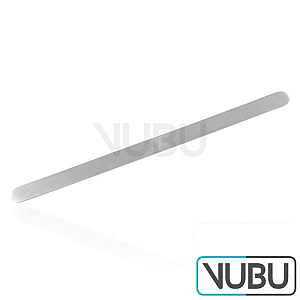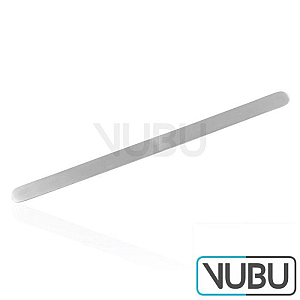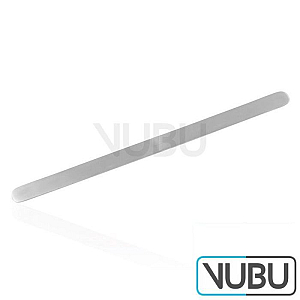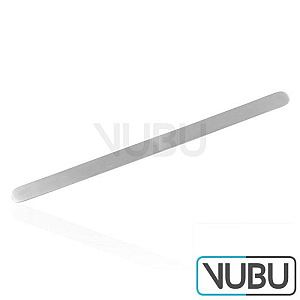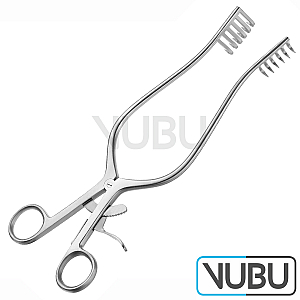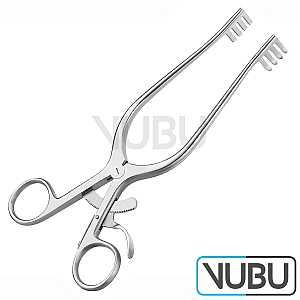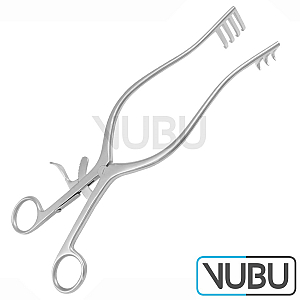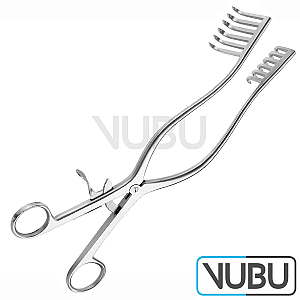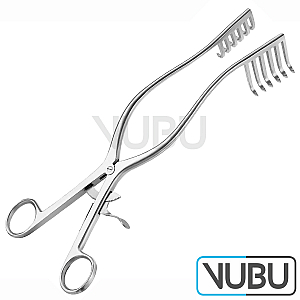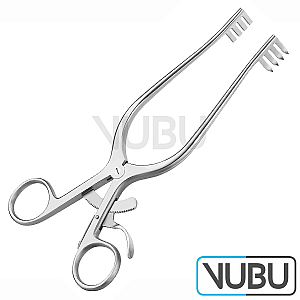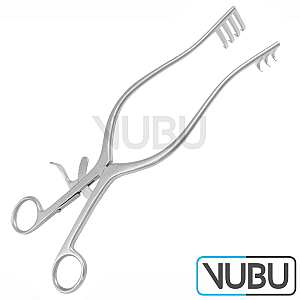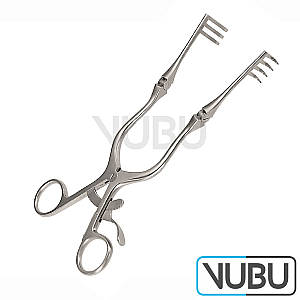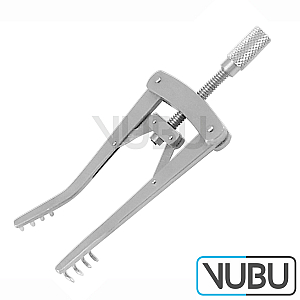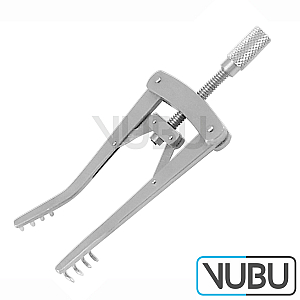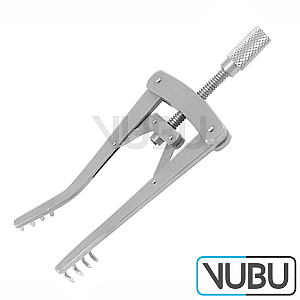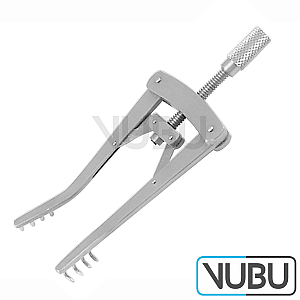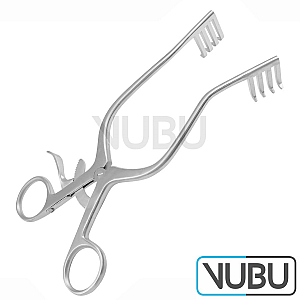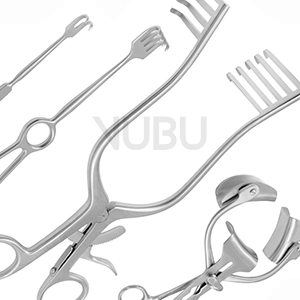


Surgical retractors are essential instruments used to gently retract tissue and maintain a clear operative field during surgical procedures. By creating sufficient working space and visibility, they support precise and safe interventions across general surgery, traumatology, orthopedics, and dermatology. Retractors are available in multiple shapes and sizes to meet different anatomical and procedural requirements.
Blunt retractors are commonly used because they protect surrounding tissue and reduce the risk of injury. A specialized variant is the self-retaining retractor, equipped with an integrated locking mechanism that holds tissue apart after positioning. This enables efficient hands-free work within the surgical field.
Abdominal retractors are designed to elevate and spread the abdominal wall, creating a wide and stable operative view. They are particularly important in abdominal and visceral surgery.
Other instruments in this category include:
Surgical retractors are fundamental instruments for safe and efficient surgery. By improving exposure, precision, and workflow in the operating room, they contribute significantly to reliable surgical outcomes and patient safety.
Retractors are a diverse group of surgical instruments designed to maintain or create access to the operative field. They are indispensable in surgery, orthopedics, and related specialties, ensuring precision, safety, and efficiency during procedures.
Retractors come in various shapes and sizes to manage different tissues and anatomical structures:
Specula are specialized retractors used to hold open natural body cavities, such as the vagina, anus, nose, or ear canal. Many include a spreading mechanism (e.g., the Parks anal retractor) or an integrated light source for clear visualization. A prominent example is the laryngoscope, used in ENT surgery and anesthesia.
Wound spreaders, such as rib spreaders, use a ratchet system to widen the surgical site as needed. They hold tissue in position after engagement, enabling hands-free operation for the surgeon. These instruments are essential for thoracic surgery and other procedures that require a stable operative field.
In orthopedics and trauma surgery, levers and forceps facilitate access to bones and help maintain proper alignment of a fracture until osteosynthesis is completed. Typical examples include the Hohmann lever and the Verbruegge forceps, valued for their durability and precision.
Previously, complex surgeries required a surgeon plus two assistants to maintain exposure. Today, rigid holder systems allow retractors to be positioned and locked precisely, offering:
Retractors are essential tools in surgery. They improve access to the operative field, enhance precision, and increase safety. Their versatility and reliability make them key contributors to successful surgical outcomes.
Retractors, wound hooks, wound spreaders, and specula are critical instruments for modern surgery. They enable safe, precise, and efficient procedures, improving patient outcomes and surgical quality. Investing in high-quality instruments ensures consistent performance and optimal care.


All instruments are certified according to: