

Buy scalpels and scalpel blades - Surgical scalpels for clinics & practices | VUBU-MEDICAL

Scalpel Handles and Blades
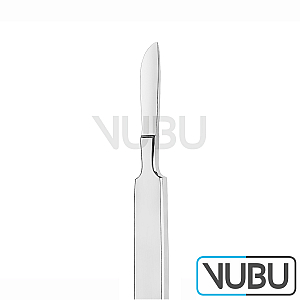
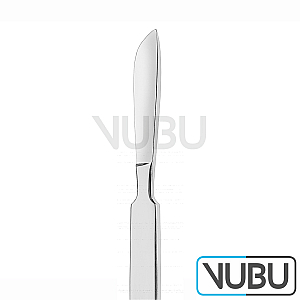
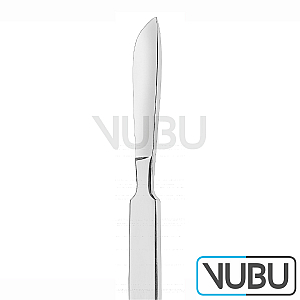
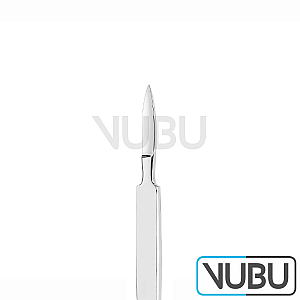
Surgical Scalpels
Blade Breakers
Scalpels and scalpel blades

Surgical Scalpels and Scalpel Blades for Precise Incisions

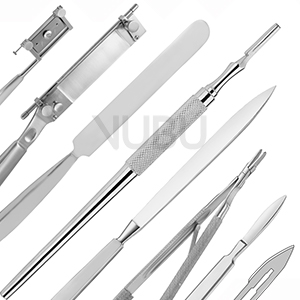
The surgical scalpel is one of the most essential cutting instruments in clinical practice. It is used for controlled incisions in skin, subcutaneous tissue and muscle and must provide maximum sharpness, control and safety.

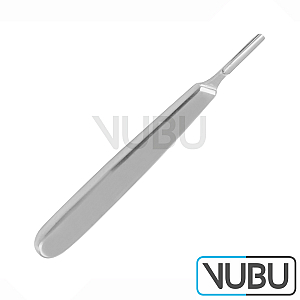
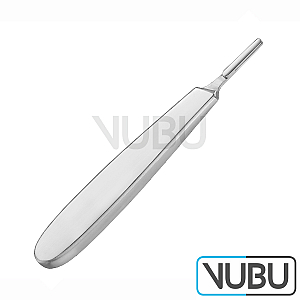
At VUBU you will find a comprehensive range of surgical scalpels and compatible scalpel blades. In modern operating rooms, interchangeable blade systems are standard: the scalpel handle remains in the sterilization cycle while the sterile blade is replaced for each patient.

Why interchangeable blade systems are widely used

  • Precision – multiple blade shapes for different surgical disciplines
  • Cost efficiency – reusable handles reduce procurement costs
  • Hygiene safety – sterile disposable blades prevent cross-contamination
  • Intraoperative flexibility – blade changes during procedures

Safe removal and disposal of blades

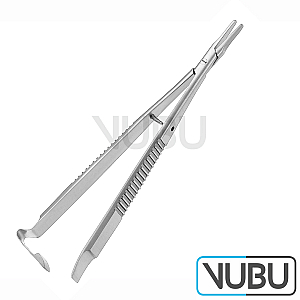
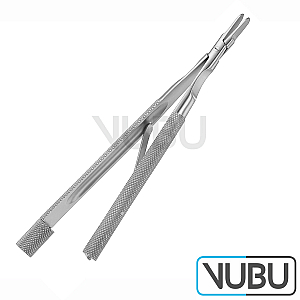
For operating room safety we supply blade removers (blade breakers). They allow controlled removal of used blades and significantly reduce sharps injuries while supporting hygienic disposal protocols.

Product range

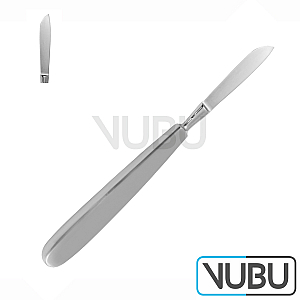
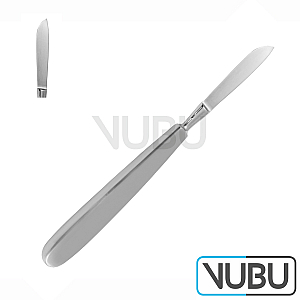
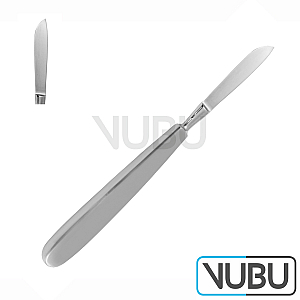
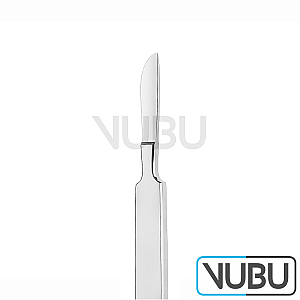
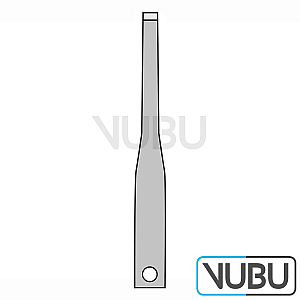
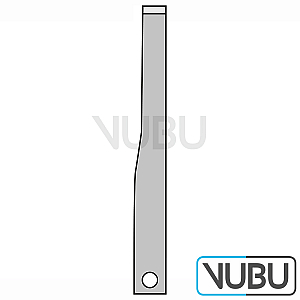
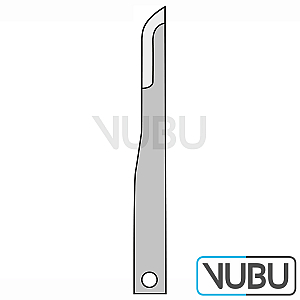
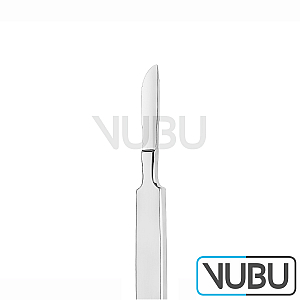
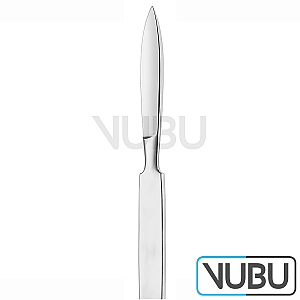
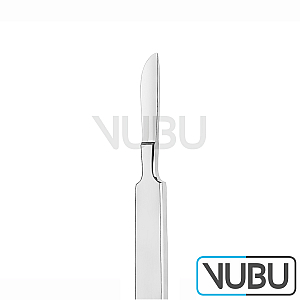
  • Fixed blade scalpels – stable instruments for dedicated applications
  • Interchangeable blade scalpels – universal use across surgical specialties
  • Scalpel handles & disposable blades – multiple sizes and compatibility options
  • Blade removers – safe sharps management

Ergonomics and material quality

Modern surgical scalpels feature precision-ground cutting edges and ergonomically designed handles. Non-slip surfaces improve control during longer procedures, while high-grade stainless steel ensures corrosion resistance and long service life in the sterilization cycle.

For hospital, outpatient surgery and clinical practice

Whether general surgery, dermatology or plastic surgery, the correct combination of handle and blade enables controlled incision, consistent cutting performance and efficient workflow in daily surgical routines.

Select the appropriate surgical scalpels and blades to optimize your instrument setup.

Reference Guide: Surgical Scalpel Blade Sizes and Applications

The surgical scalpel is the primary instrument for controlled tissue incision. Modern systems consist of a reusable scalpel handle and a sterile disposable scalpel blade. This combination ensures hygiene, economic efficiency and consistent cutting performance in operating rooms and clinical practice.

Blade selection depends on incision length, tissue type, accessibility of the surgical field and surgical technique. The following overview summarizes common blade patterns and their typical clinical applications.

Blades for Handle No. 3 and No. 7 (fine and dermatologic surgery)

  • No. 10 – standard skin incision and soft tissue dissection
  • No. 10a – smaller controlled skin incisions
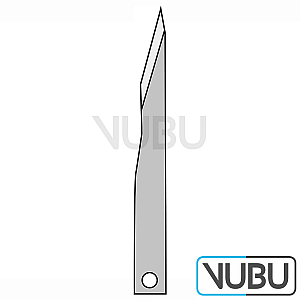
  • No. 11 – stab incisions, drainage, vascular access and abscess opening
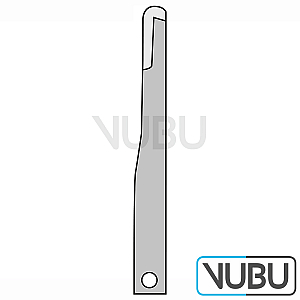
  • No. 12a – hook-shaped blade for ENT and oral procedures
  • No. 12b – double-edged hook blade for controlled directional cutting
  • No. 15 – short precise incisions in small operative fields
  • No. 15c – very fine work in plastic surgery and dermatology

Blades for Handle No. 4 (general and major surgery)

  • No. 18 – deep incisions in firm tissue
  • No. 20 – standard larger skin incision
  • No. 21 – extended incision length
  • No. 22 – large surgical approaches (e.g. laparotomy)
  • No. 23 – universal general surgical blade
  • No. 24 – superficial soft tissue incision
  • No. 25 – precise cutting in delicate tissue

Why interchangeable blade systems are standard

  • Patient safety – sterile single-use blades
  • Economic efficiency – reusable handles
  • Procedure flexibility – fast blade change
  • Sharps safety – controlled disposal after use

Conclusion

Selecting the correct scalpel blade significantly improves incision control, tissue preservation and workflow efficiency. Matching blade geometry to the surgical indication supports safe and reproducible clinical results.