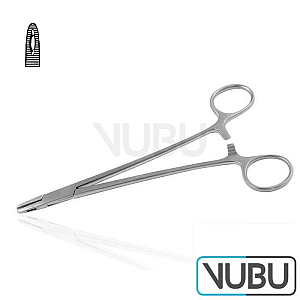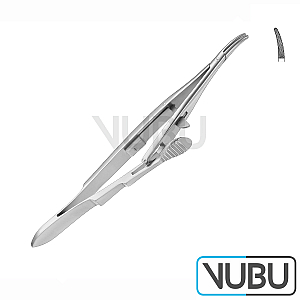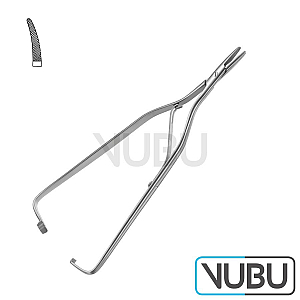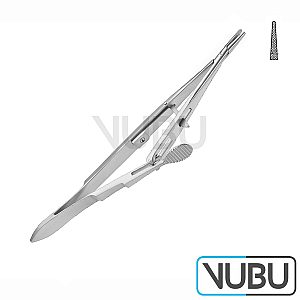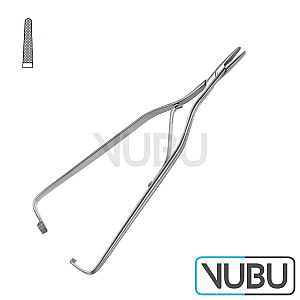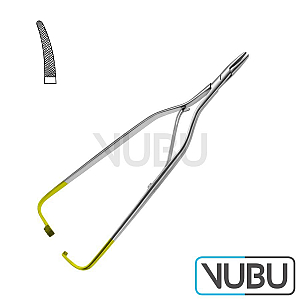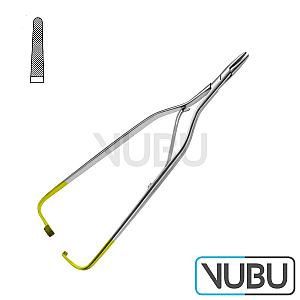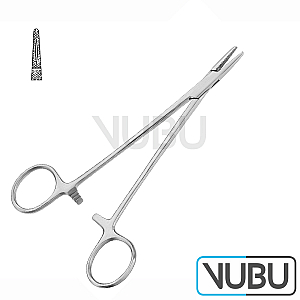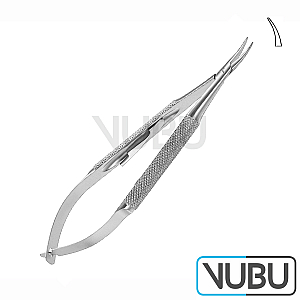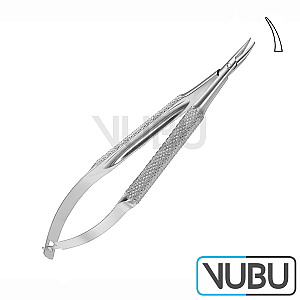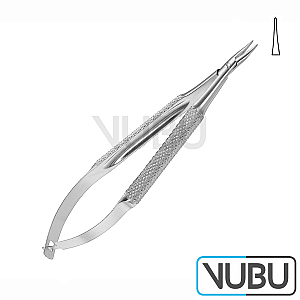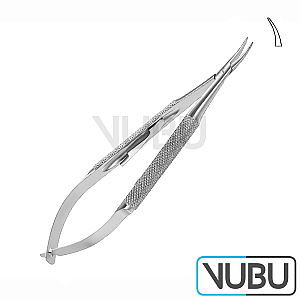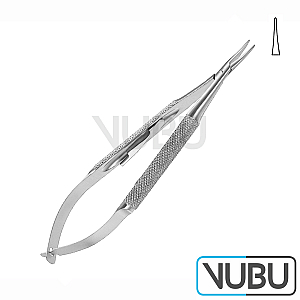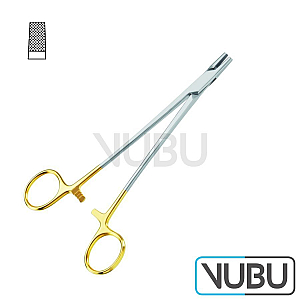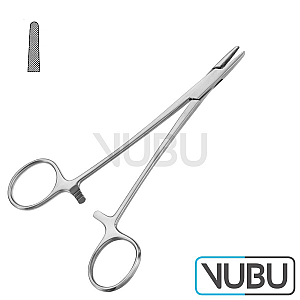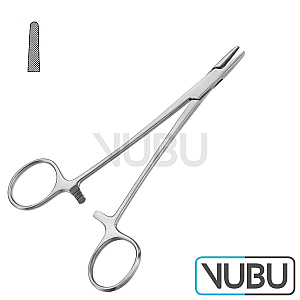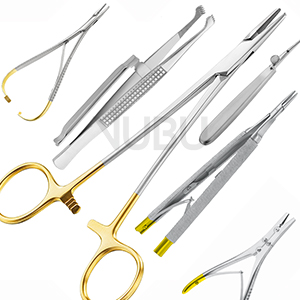


Our high-quality surgical suture instruments, including needle holders, are available in multiple versions, meeting the highest quality standards and supporting the demands of modern surgical procedures. Designed for both routine operations and complex interventions, our instruments provide surgeons with optimal control and reliability.
The standard needle holders are made entirely from medical-grade steel, ensuring excellent clamping function and superior needle control. Ideal for a wide range of surgical applications, they deliver consistent performance in every procedure.
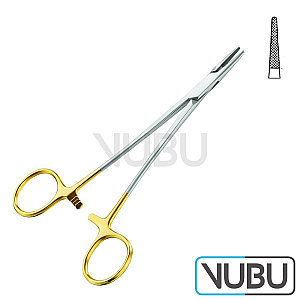
Needle holders experience significant stress during use, which can reduce jaw grip over time. Our tungsten carbide jaw inserts enhance wear resistance and provide excellent needle fixation. Recognizable by the gold-plated handle, these instruments combine durability with premium quality.
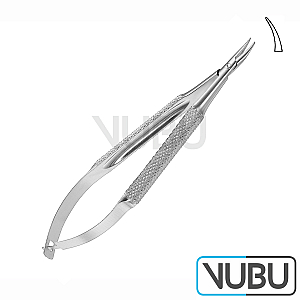
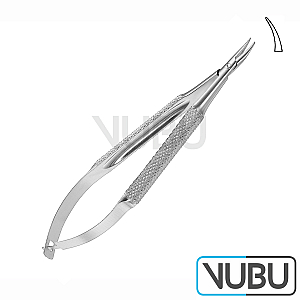
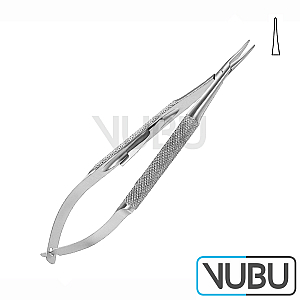
For microsurgery, ophthalmology, or other high-precision procedures, we offer micro needle holders and TC micro needle holders. Featuring a specialized spring tension system, these instruments enable precise and controlled needle handling for delicate suturing.
Our range also includes TC wire cutters, designed for various wire gauges. Crafted with premium tungsten carbide, they provide long-lasting durability and reliable performance, making them essential for orthopedic and trauma surgery.
In addition to needle holders and wire cutters, our suture instruments category includes:
Our surgical suture instruments are designed to support surgeons at every stage of a procedure. Combining premium materials, innovative design, and precise craftsmanship, they ensure maximum precision, durability, and ease of use. Explore our extensive selection and discover instruments that elevate surgical performance.
Suturing is a fundamental part of surgical practice, allowing tissue to be securely joined using needles and suture threads. Proper suturing technique is crucial for fast, complication-free healing, ensuring that wound layers align without tension. High-quality suture materials and needle holders support surgeons in meeting the specific requirements of different procedures.
Accurate suturing is vital not only for effective wound healing but also for optimal aesthetic outcomes. By selecting the appropriate suture materials and instruments, surgeons can ensure the wound is securely closed while minimizing the risk of infection, scarring, or wound dehiscence. Needle holders are key tools in this process, providing precise needle control and enabling consistent, accurate stitches.
Early suture materials included natural options such as silk and catgut, which had limitations like lower durability and a higher risk of allergic reactions. Today, nearly all sutures are made from modern synthetic materials, offering superior biocompatibility, mechanical strength, and reliable performance in surgical settings.
Modern sutures are classified into two main types:
The right suture material depends on several key factors:
Today’s sutures degrade hydrolytically through bodily fluids. The surface area of the suture and the type of tissue influence degradation rate. Advanced materials such as polyglycolic acid (PGA), polydioxanone (PDS), and polyglactin (Vicryl) provide an optimal balance of strength, reliability, and absorbability.
Needle holders are indispensable for precise suturing. They allow surgeons to control needle placement and maintain consistent stitch accuracy. Our range includes:
Effective surgical wound care demands precision, expertise, and high-quality instruments. Choosing the right suture materials and needle holders ensures optimal patient outcomes and promotes efficient healing. Our products are engineered for maximum quality, usability, and reliability, supporting surgeons at every step. Explore our extensive selection and benefit from innovative instru


All instruments are certified according to: