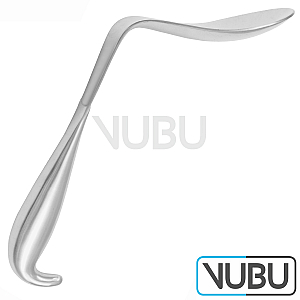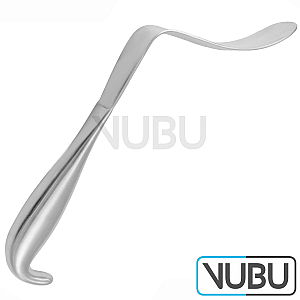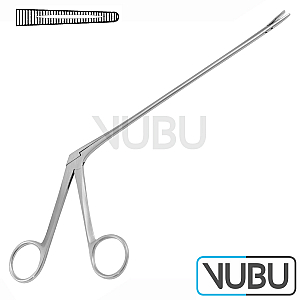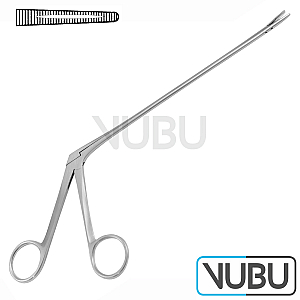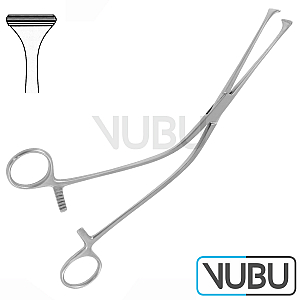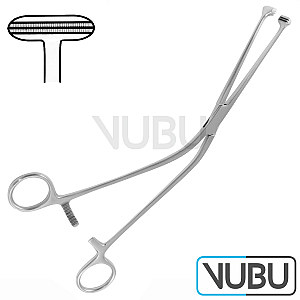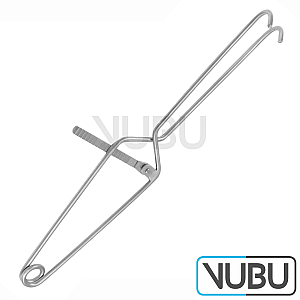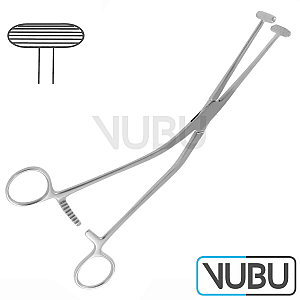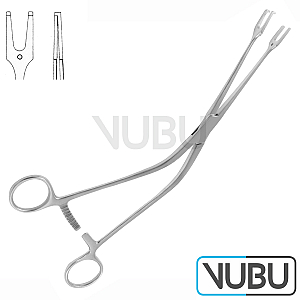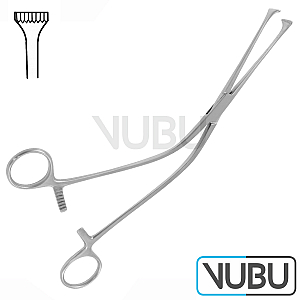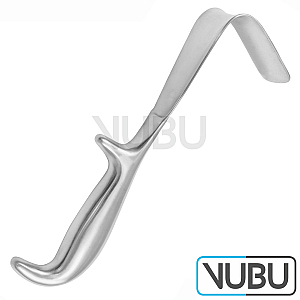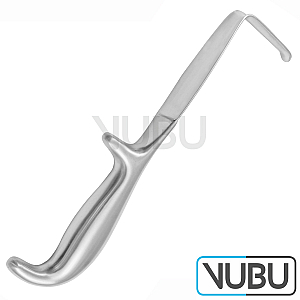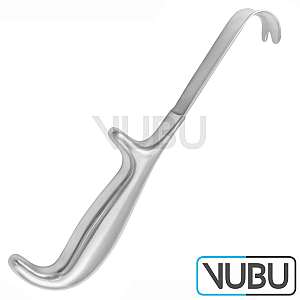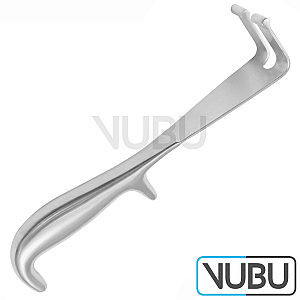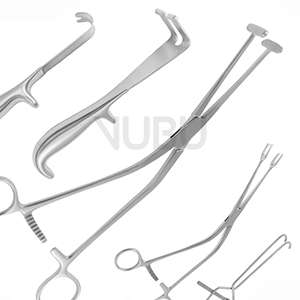


Instruments such as the Millin prostatectomy forceps, prostate hooks, and bladder retractors according to Young, Legueu, and Kocher play a central role in prostatectomy, a surgical procedure to remove the prostate. These specialized instruments are designed to enable the surgeon to perform the procedure with precision and control.
The Millin prostatectomy forceps is often used to grasp and stabilize the prostate, while the prostate hook helps to gently mobilize and expose the tissue. The bladder retractors according to Young, Legueu, and Kocher are used to protect the bladder and surrounding tissue during the procedure, preventing unintended injuries.
Each of these instruments serves a specific function, contributing to the safe and efficient removal of the prostate while sparing the surrounding tissue, nerves, and blood vessels. This is particularly important to minimize postoperative complications and preserve the functionality of adjacent structures, such as the bladder and sphincter.
The selection and targeted use of these instruments depend on the patient's individual anatomy, the size of the prostate, and the surgeon's experience. Modern surgical techniques, such as robot-assisted prostatectomy, complement the use of these traditional instruments to achieve even more precise results.


All instruments are certified according to: