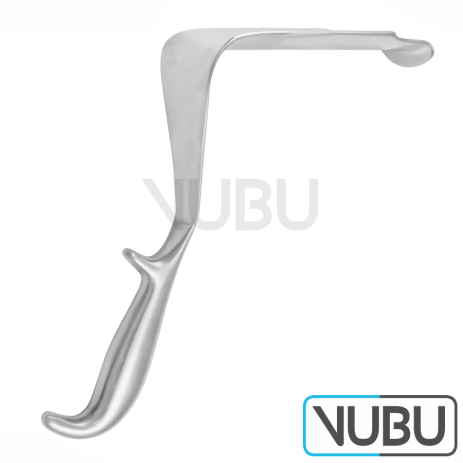


Large-Surface, Blunt Deep Pelvic Retractor for Exposure of the Rectum and Deep Pelvis in Colorectal, Gynecological and Urological Surgery
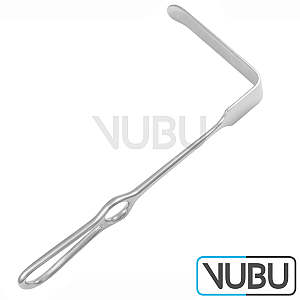
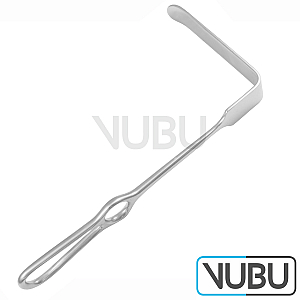
The ST. MARKS RETRACTOR Type FIG-2 (33.0 cm) is a Class I medical device manufactured according to ISO 13485:2016. This larger and longer variant of the classic St. Marks retractor is designed for demanding retraction and exposure of the deep rectum, pelvic cavity, and pouch of Douglas. Its broad, blunt blade provides maximum visibility and access with minimal risk of tissue injury.
Product Highlights:
✔ Manufactured in accordance with ISO 13485:2016
✔ CE Marked – Class I (Regulation (EU) 2017/745 – MDR)
✔ Extended St. Marks Shape (Fig-2): Particularly wide and long for retraction in the depth of the pelvis
✔ Increased overall length of 33.0 cm for optimal reach and leverage in deep pelvic procedures
✔ High-quality Surgical Stainless Steel 1.4301 – rust-proof, corrosion-resistant and biocompatible
✔ Fully atraumatic design: All edges and the broad tip are heavily rounded and high-gloss polished
✔ Ergonomic, large finger ring for secure grip and precise force transmission
✔ Matte finish to reduce light glare in the deep surgical field
✔ Sterilizable and reusable
Benefits of the St. Marks Retractor FIG-2:
• Optimal Exposure of the Deep Pelvis: Enables gentle and stable retraction of the rectal wall, pelvic peritoneum, and surrounding structures for clear visibility in deep pelvic procedures.
• Maximum Patient Safety in Extended Access: The blunt, wide design protects sensitive structures such as the ureters, iliac vessels, and sacral nerve plexus from pressure or traction injuries.
• Ideal for Oncological Resections in the Pelvis: Particularly valuable in low anterior resection (LAR), abdominoperineal excision (APE), and rectal excision, where broad overview is essential.
• Reduced Tissue Trauma Through Pressure Distribution: The large contact surface optimally distributes retraction pressure, minimizing the risk of ischemia or necrosis in bowel or pelvic wall structures.
• Versatile in Pelvic Surgery: A standard instrument not only in coloproctology but also in gynecological oncology (e.g., hysterectomy) and urological pelvic surgery.
Technical Specifications:
• Type: St. Marks Retractor (Fig-2) / Blunt Deep Pelvic Retractor
• Model: FIG-2
• Overall Length: 33.0 cm
• Blade Shape: Very wide, long and flat with heavily rounded sides and a broad, rounded tip
• Material: Surgical Stainless Steel 1.4301 (AISI 304)
• Surface Finish: Satin (matte)
• Handle: Large, closed oval ring
• Sterilization: Autoclavable up to 138°C (Steam Sterilization)
• Packaging: Individually packed in sterilizable peel pouch
• Risk Class: I according to Regulation (EU) 2017/745 (MDR)
Areas of Application:
• Low Anterior Resection (LAR) and Rectal Excision
• Abdominoperineal Excision (APE)
• Reconstructive Pelvic Surgery and Re-operation Procedures
• Radical Hysterectomy and Pelvic Lymphadenectomy in Gynecology
• Cystectomy and Prostatectomy Procedures in Urology
• Surgery for Complex Perianal Fistula Disease and Rectal Prolapse
Important Safety and Handling Information:
• FOR USE BY EXPERIENCED VISCERAL, COLORECTAL OR URO-GYNECOLOGICAL SURGEONS ONLY.
• Targeted and Dosed Application: Due to its length and leverage, controlled force application is crucial to avoid overstretching or crushing pelvic structures.
• Precise Placement Under Vision: The instrument must be placed under direct vision to avoid unintentionally compressing the ureter, iliac vessels, or the autonomic nerve plexus of the pelvis.
• Caution with Tumor Tissue and Previously Operated Pelvis: Particular care is required with infiltrating tumor tissue or extensive adhesions to avoid uncontrolled tissue tears.
• Thorough Cleaning and Inspection: Intensive cleaning is required after pelvic procedures. Before each use, inspect for deformations or damage to the wide blade surface.
Write the first Review!


All instruments are certified according to: