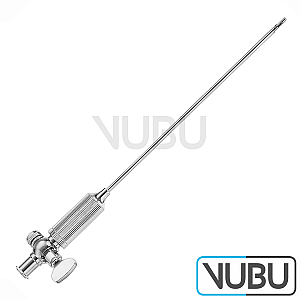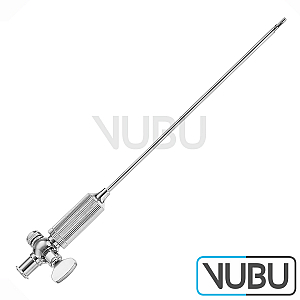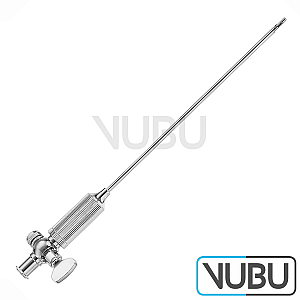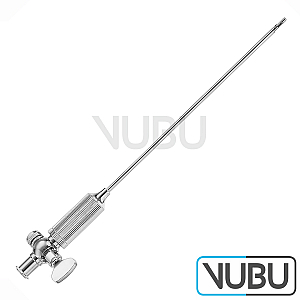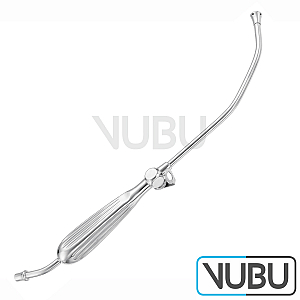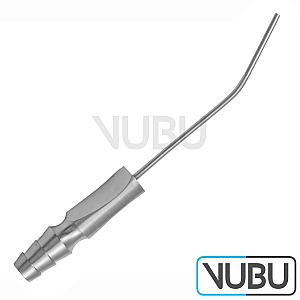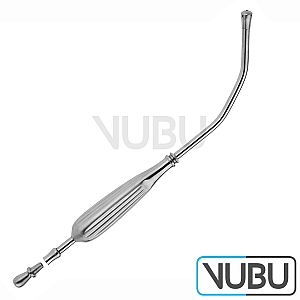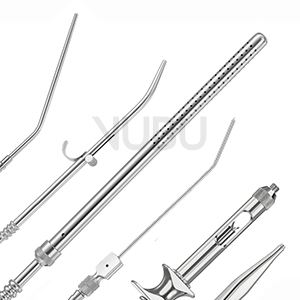


Our syringes and suction tubes are designed for safe and efficient aspiration of bodily fluids, meeting the highest medical standards. Fast and reliable suction is critical during surgical procedures to ensure optimal visibility and patient safety. Our suction tubes offer versatile connection options, including the proven Luer-Lock system and the convenient quick-connect system for secure and easy handling.
A highlight of our portfolio is our puncture instruments, including biopsy needles and trocars. These instruments allow minimally invasive, precise access to body cavities, making them indispensable for both diagnostic and therapeutic procedures. Precision, reliability, and quality are our top priorities.
+++ New Category: Instruments for Plastic Surgery +++
We are proud to introduce our new line of plastic surgery instruments, highlighting tools for infiltration and liposuction. This includes specialized liposuction cannulas and handles, designed for maximum efficiency and patient safety during complex procedures.
Quality and Precision in Every Component
Our guide needles, stopcocks, and connectors are crafted with state-of-the-art technology and undergo strict quality control. Each instrument is tested for functionality, durability, and safety to meet the rigorous demands of modern medical practice.
Historical Milestones in Medical Technology
Many of our instruments bear the names of pioneering physicians whose innovations laid the foundation for modern medical techniques, including:
Connectors and stopcocks were also developed by visionary physicians, including BYRD, POOLE, BABY-POOLE, COOLEY, FRAZIER, PLESTER, FERGUSON, EICKEN-KILLIAN, WULLSTEIN, ADSON, COGSWELL, and LUER, whose contributions continue to shape medical technology today.
Modern Standards in Liposuction and Puncture
Today, instruments such as MONOPORT, TRIPORT, and MERCEDES cannulas are essential in modern medical practice. Innovative designs like SHARK and COBRA cannulas, as well as instruments by SALAH, KLIMA-ROSSEGGER, TUOHY, MENGHINI, QUINKE, ARTERIOGRAPHY, SCHMID, VERRES, and JANET set new benchmarks in efficiency and safety.
Conclusion
Our product range combines traditional craftsmanship with advanced technology. We are committed to providing medical professionals with instruments of the highest quality, essential for both diagnostics and therapy. Explore our products and benefit from our extensive expertise in medical technology.
In medical practice, a puncture refers to the precise insertion of a needle or other sharp instrument into the body. The fluid or tissue sample obtained is known as a punctate. Punctures can be performed for the injection of substances (e.g., intravenous medication) or for the extraction of material (e.g., lumbar puncture). Hollow needles such as cannulas and trocars are commonly used for these procedures.
Punctures serve a wide range of purposes, including the administration of medications, the collection of body fluids such as blood, urine (bladder puncture), synovial fluid, cerebrospinal fluid (lumbar puncture), peritoneal fluid, pleural fluid, or bone marrow (bone marrow puncture), as well as the extraction of tissue samples (fine-needle biopsy) and the drainage of pathological fluid or gas accumulations.
The ease of puncturing an organ depends on its location and the surrounding structures. Superficial or accessible organs, like skin, veins, or liver, are generally easier to puncture. In contrast, deeper or delicate organs, such as the spleen, gallbladder, or intestines, present higher risks due to the potential for injury to the organ itself or adjacent structures. For such cases, imaging techniques like ultrasound or CT guidance are used to ensure accurate and safe puncture placement.


All instruments are certified according to: